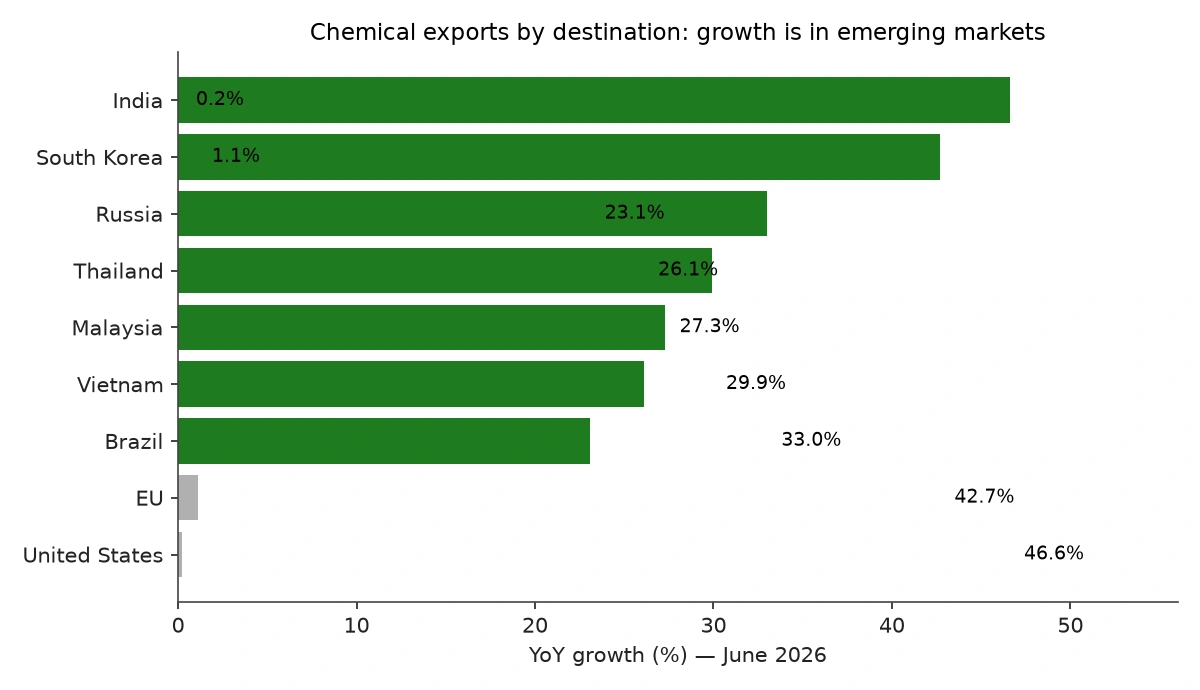
The destination map has shifted decisively. In June 2026, chemical exports to India rose 46.6% on the year, to South Korea 42.7% and to Russia 33.0%. Eight-month data tell the same story: Vietnam +26.1%, India +21.8%, Malaysia +27.3%, Thailand +29.9%, Russia +28.4%, Brazil +23.1%. The traditional anchors are flat: shipments to North America rose just 1.1% in aggregate, and to the United States specifically only 0.2% on a value basis of USD 215.9 billion across all goods.
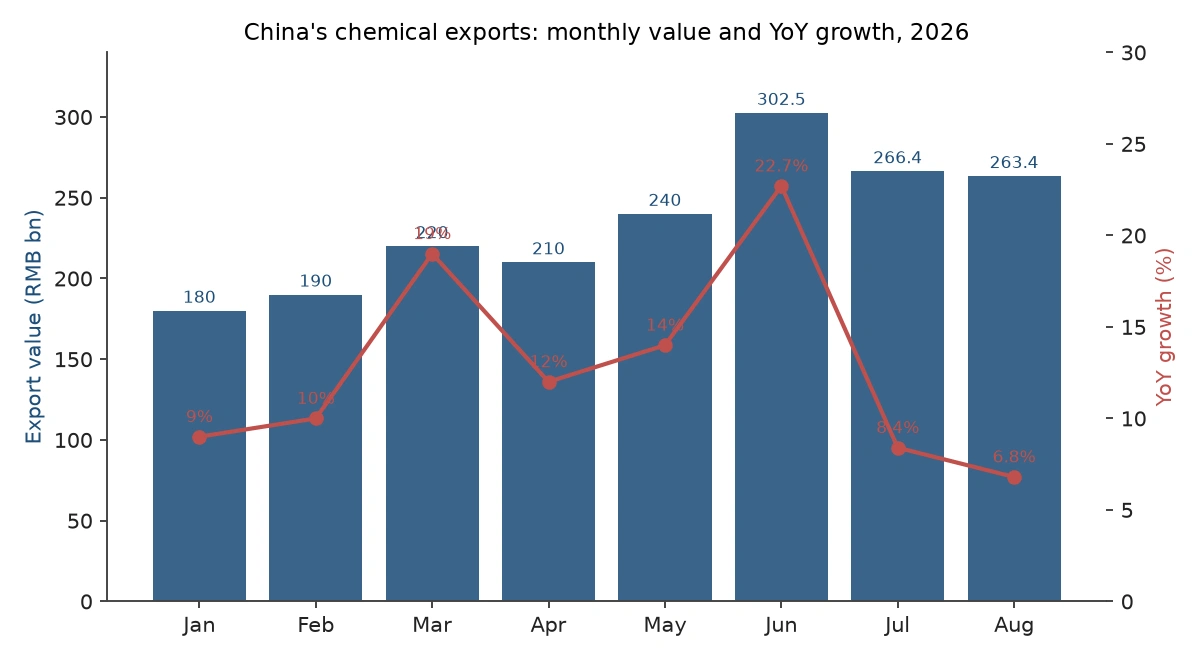
China's bulk and specialty chemical exports surged 13.7% in the first half of 2026 to RMB 1.60 trillion, with a record-breaking June (+22.7% YoY) followed by a measured Q3 cooling. The story of the year is not a broad-based boom but a structural pivot — a handful of intermediates, a cluster of emerging-market buyers, and a re-rating of global supply chains after the Hormuz shock.
China's bulk and specialty chemical exports surged 13.7% in the first half of 2026 to RMB 1.60 trillion, with a record-breaking June (+22.7% YoY) followed by a measured Q3 cooling. The story of the year is not a broad-based boom but a structural pivot — a handful of intermediates, a cluster of emerging-market buyers, and a re-rating of global supply chains after the Hormuz shock.
Brent crude oil has seen sharp fluctuations recently. Starting from around $97.7 in early October, it climbed to a peak of $117.5, before easing slightly to $115.8 amid diplomatic efforts to ease tensions in the Middle East. WTI crude also followed this upward trend.
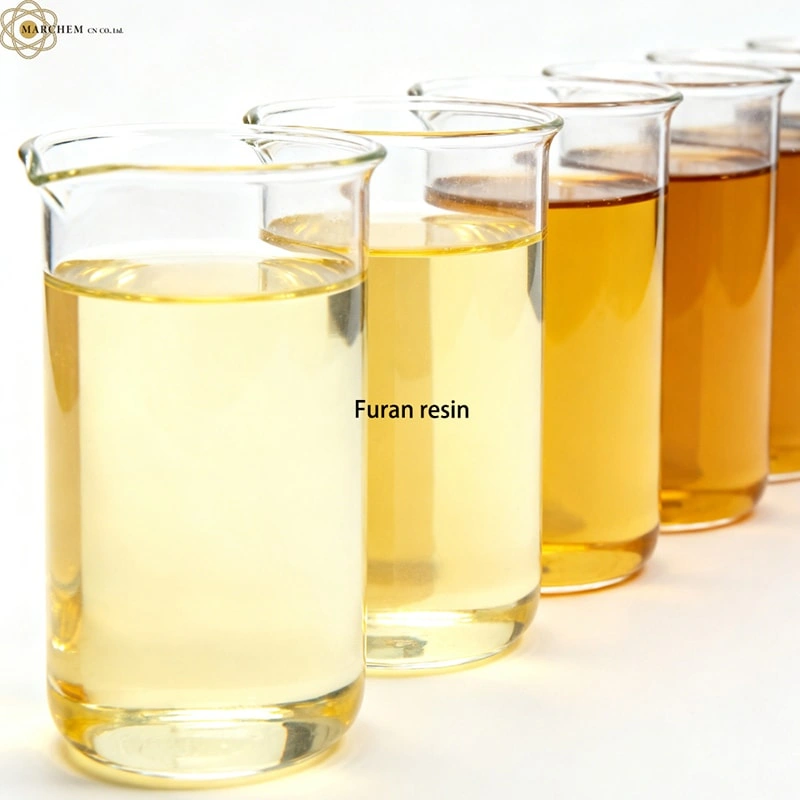
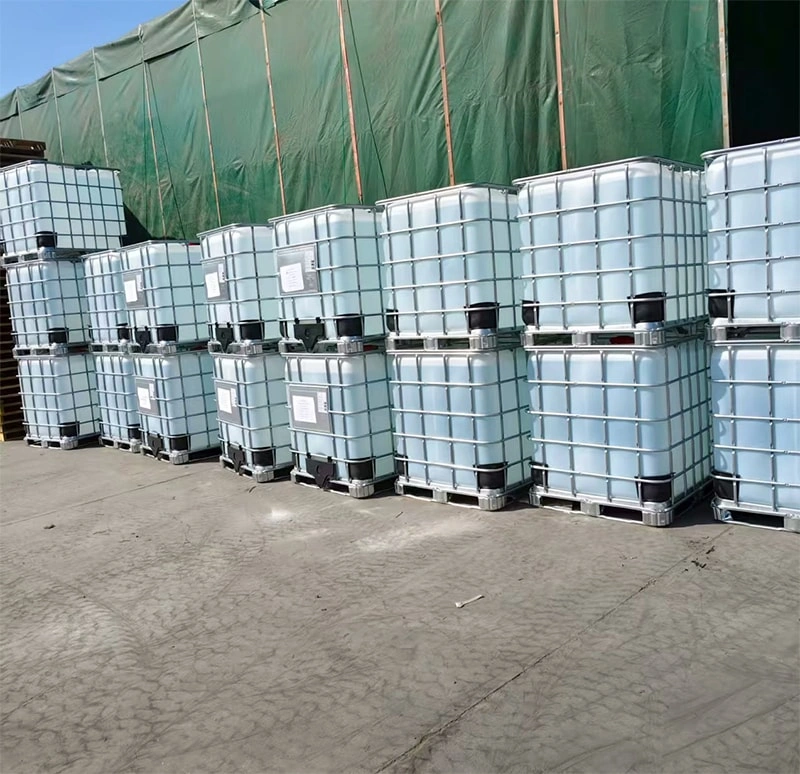
Furan resin is a thermosetting polymer famous for high heat resistance, acid corrosion resistance and excellent dimensional stability. Its dominant application is as a no-bake binder for foundry sand molds and cores, widely used to produce castings for automotive parts, machinery, wind power hubs and heavy engineering equipment. Besides casting, it serves anti-corrosion projects, chemical-resistant flooring, adhesives and composite linings in wastewater and fertilizer plants. Foundry demand remains the major consumption driver, as global metal casting factories prefer furan systems for high-precision iron and steel castings.
China’s propylene glycol (PG) exports have maintained strong momentum in recent months. Customs data shows that export volume saw a sharp year-on-year jump, with overseas orders effectively absorbing domestic supply. Major destination markets cover Southeast Asia, the Middle East, Latin America and Europe. Meanwhile, import volumes kept falling, which further consolidated China’s position as a key global PG supplier. Strong external demand partly offset sluggish domestic consumption from unsaturated polyester resin and coating sectors, where end-users only purchased on a need basis without large stockpiling.

Tel: +86-0532-85801582
Email: sales@marchem.com.cn
Address: NO.88 chunyang road,Chengyang district,Qingdao,China
Copyright @ 2023 MarChem Co., Ltd.-Polyurethane,Solvent,Plasticizer,Alcohol,Flame Retardant Privacy Policy Designed by HuishangMedia