

Selecting the proper polyol is foundational for stable polyurethane foam quality, and the comparison of polyether polyol vs polymer polyol is frequent among foam formulators.
Standard polyether polyol serves as the base raw material for most foam systems. Polyether polyol specifications cover molecular weight, hydroxyl value, viscosity and EO/PO ratio, which directly adjust foam softness, reactivity and hydrolysis resistance. As polyether polyol for polyurethane foam, it is widely applied in conventional low-density slabstock foam, offering low cost, good fluidity and easy processing.
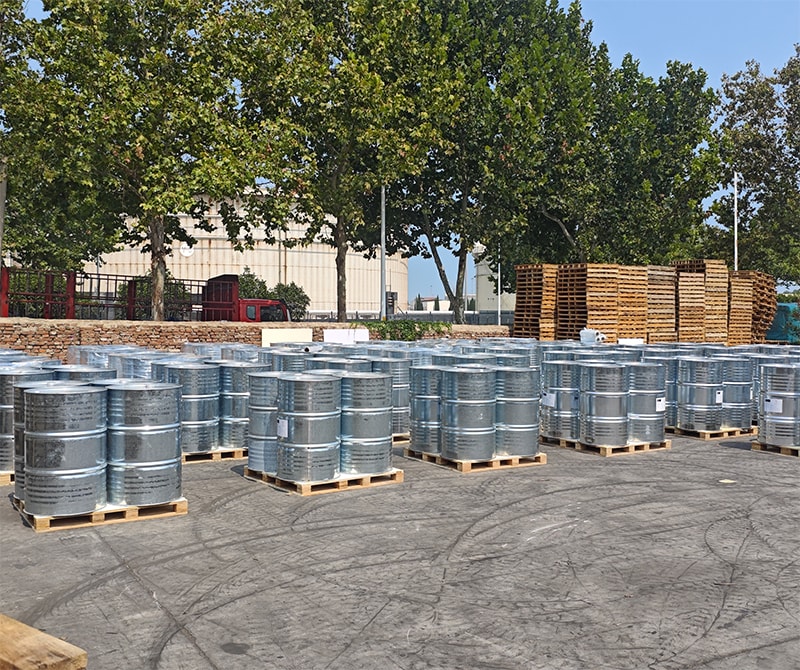
Polymer polyol is a modified graft polyol with solid copolymer particles dispersed inside the base polyol. Polymer polyol for flexible foam greatly improves foam bearing capacity, compression support and sag resistance. Major polymer polyol applications include high-resilience foam, automotive seat cushions, premium mattress cores and furniture padding that requires stable supporting performance.
When choosing between them, use regular polyether polyol for general soft foam to control cost; blend or adopt polymer polyol if higher firmness and load-bearing are required. Working with a reliable polyol supplier for foam manufacturing helps you get consistent grades, formulation guidance and steady supply to avoid production fluctuations.
